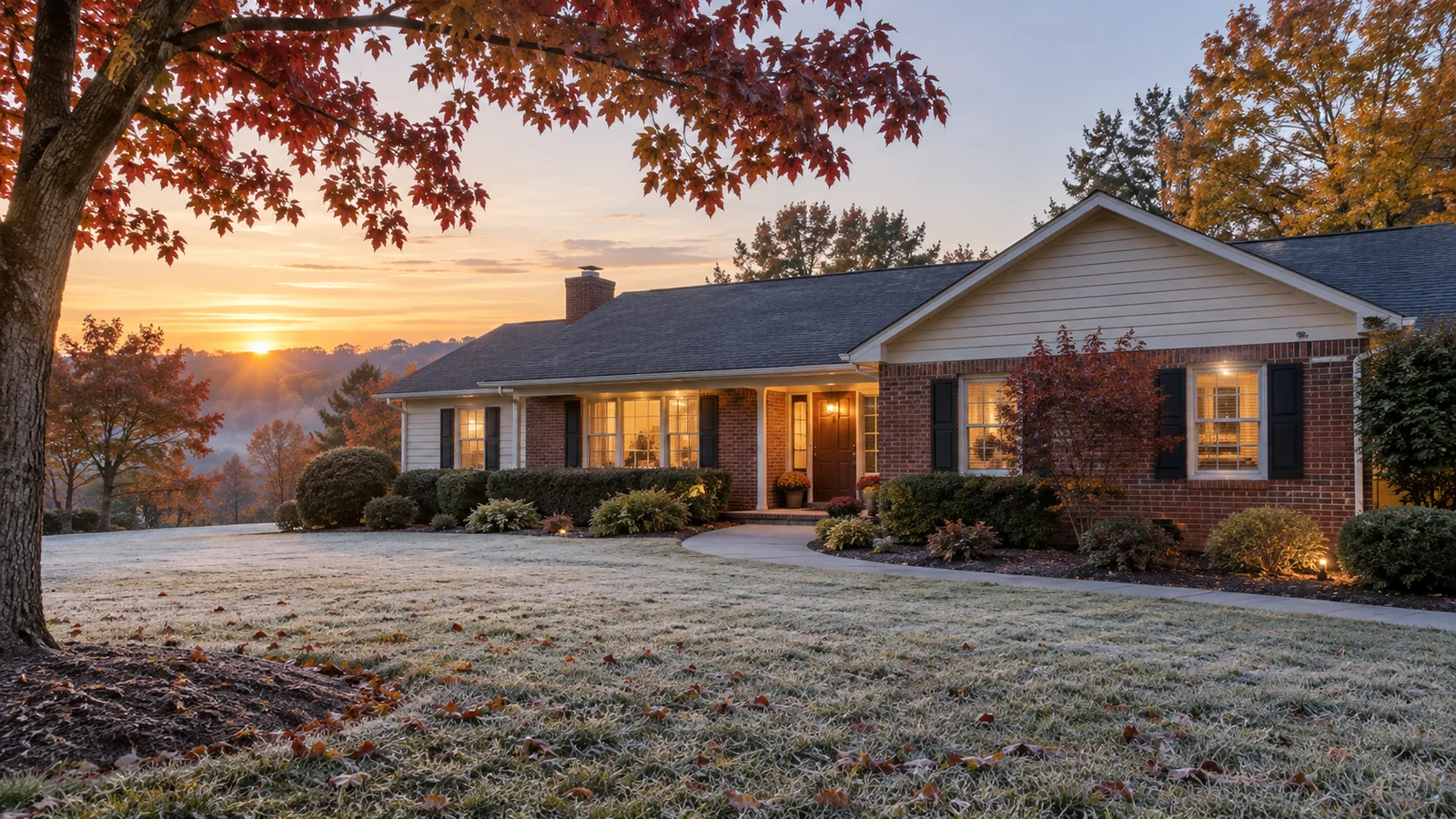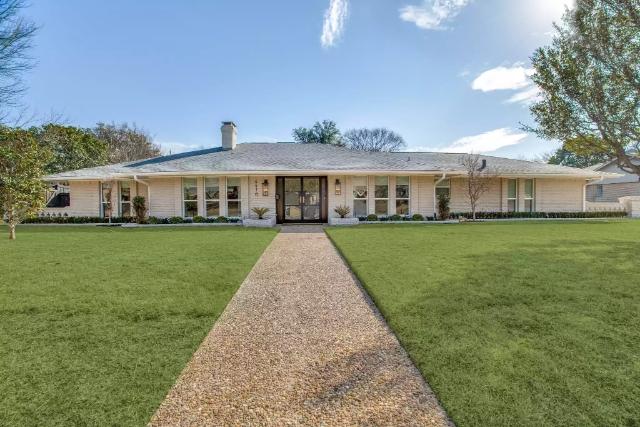
You've fallen in love with a charming 1965 ranch in an established Winston-Salem neighborhood. The hardwood floors are gorgeous, the lot is mature and private, and the price is right. But your real estate agent just asked: "Have you checked the attic and crawl space?" You haven't—should you?
Absolutely. Older homes (particularly those built before 1990) almost always have insulation issues ranging from "needs upgrading" to "disaster zone costing you hundreds monthly." The good news: insulation problems are solvable and predictable. This guide will show you exactly what to check, what questions to ask, how to negotiate, and how to budget for upgrades when buying an older North Carolina home.
Why Older Homes Have Insulation Issues
Before we dive into what to check, understand WHY older homes have insulation problems:
Building Codes Have Evolved
- 1960s: Minimal or no insulation requirements
- 1970s: Basic requirements (R-11) after energy crisis
- 1980s: Improved but still modest (R-19 to R-30)
- 1990s-2000s: Approaching modern standards (R-30 to R-38)
- Current: R-49 recommended for North Carolina
A home built to 1970 code is badly under-insulated by modern standards—even if it met code when built.
Insulation Degrades Over Time
- Fiberglass batts compress and sag
- Cellulose settles (losing up to 20% of R-value)
- Moisture causes deterioration
- Pests damage and disturb insulation
- Air movement erodes loose-fill insulation
Even if adequate insulation was installed in 1985, it's likely degraded significantly by now.
Previous Owners Deferred Maintenance
Insulation is invisible—it's easy to ignore. Many older homes have had zero insulation maintenance or upgrades since the day they were built.
The Decade-by-Decade Guide to What You'll Find
Different decades have predictable insulation characteristics and problems.
1950s-1960s Homes: Expect Little to Nothing
Typical attic insulation: R-0 to R-11 (often nothing at all)
Typical crawl space: Vented, no vapor barrier, possibly fiberglass batts between joists
Common problems:
- No insulation in attic (just bare ceiling joists)
- If insulation exists, it's severely inadequate and deteriorated
- Zero air sealing (concept didn't exist)
- Asbestos-containing materials possible (vermiculite insulation)
- Crawl space moisture issues common
- Original single-pane windows
Budget expectation: Plan for comprehensive insulation upgrades ($4,000-8,000+)
1970s Homes: Minimal Insulation Post-Energy Crisis
Typical attic insulation: R-11 to R-15
Typical crawl space: Vented with possible batt insulation
Common problems:
- Insulation present but severely inadequate
- Original pink fiberglass batts compressed and faded
- Uneven coverage with gaps
- Minimal air sealing
- Possible asbestos in vermiculite or other materials
Budget expectation: Plan for major upgrades ($3,000-6,000)
1980s Homes: Better But Still Below Standard
Typical attic insulation: R-19 to R-25
Typical crawl space: Vented with batts between floor joists
Common problems:
- Below current R-49 recommendation
- Settling and compression have reduced original R-value
- Some air sealing but incomplete
- Crawl space batts often sagging or fallen
- Moisture issues if crawl space vents weren't maintained
Budget expectation: Moderate upgrades needed ($2,000-4,500)
1990s Homes: Approaching Adequate
Typical attic insulation: R-25 to R-30
Typical crawl space: Vented, varied insulation approaches
Common problems:
- Close to adequate but not optimal
- Quality varies significantly by builder
- Some settling since installation
- Air sealing present but often incomplete
Budget expectation: Modest upgrades ($1,500-3,500)
Your Pre-Purchase Inspection Checklist
Here's exactly what to check (or have checked) before buying an older home:
Attic Inspection Points
1. Access and Entry
- Is there attic access? (Some older homes have sealed attics—red flag)
- Where is access located? (Closet, hallway, garage?)
- Can you safely enter? (Pull-down stairs, hatch, scuttle hole?)
2. Insulation Type and Depth
- What type: Batts, blown fiberglass, cellulose, or nothing?
- Measured depth at multiple locations (not just one spot)
- Can you see floor joists? (If yes, insulation is inadequate)
- Estimated R-value based on depth
3. Insulation Condition
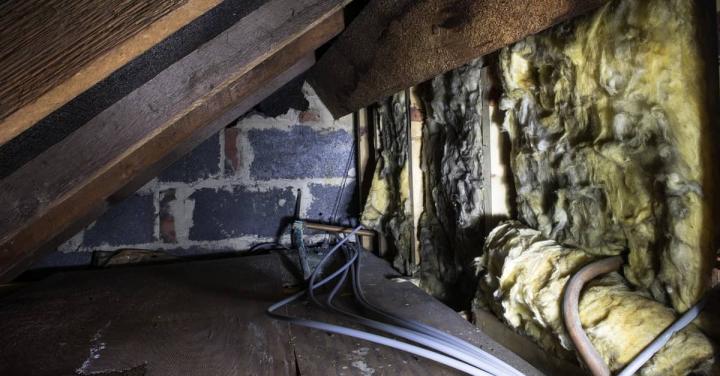
- Compressed or damaged areas
- Missing sections or gaps
- Sagging or falling batts
- Discoloration (indicates moisture or air leakage)
- Rodent damage or droppings
4. Moisture and Mold
- Visible mold on insulation or wood
- Staining on roof sheathing (water damage)
- Dampness or musty smell
- Evidence of past leaks
5. Ventilation
- Soffit vents present and clear?
- Ridge vent, gable vents, or roof vents present?
- Are vents blocked by insulation?
- Adequate ventilation ratio (should be 1:300)
6. Air Sealing
- Attic hatch sealed and insulated?
- Recessed lights sealed?
- Visible gaps around penetrations?
- Evidence of any air sealing work?
Crawl Space Inspection Points
1. Access and Safety
- Can you access crawl space?
- Is there adequate clearance? (Code requires 18" minimum)
- Standing water present? (Major red flag)
2. Moisture Indicators
- Dampness or standing water
- Musty smell
- Mold on floor joists or insulation
- Efflorescence on foundation walls (white crystalline deposits)
- Wood rot or soft spots on joists
3. Insulation Status
- Insulation type and location (between joists? on walls?)
- Condition (sagging, falling, damaged?)
- Moisture damage to insulation
4. Vapor Barrier
- Is there a vapor barrier covering soil?
- Condition (torn, incomplete, missing?)
- Type (6-mil plastic minimum, heavier better)
5. Structural Issues
- Floor joist condition
- Evidence of termites or wood-boring insects
- Sagging or damaged subfloor
Red Flags That Should Concern You
Some issues are minor; others are deal-breakers or major negotiation points:
Major Red Flags:
- Active roof leaks with mold growth
- Standing water in crawl space
- Significant structural damage (rot, termites)
- Asbestos insulation requiring professional removal
- No attic access (suggests someone sealed problems inside)
Moderate Red Flags:
- Zero insulation in attic
- Severe moisture issues (mold, damaged wood)
- Failed crawl space insulation hanging down
- Extensive rodent infestation
Minor Issues (Typical and Fixable):
- Inadequate insulation (R-value below R-30)
- No vapor barrier in crawl space
- Minimal air sealing
- Open crawl space vents
Questions to Ask the Home Inspector
Standard home inspections don't always thoroughly evaluate insulation. Ask your inspector:
- "Can you measure the actual R-value in multiple attic locations?"
- "Will you assess crawl space moisture conditions?"
- "Can you identify the type and age of existing insulation?"
- "Are there signs of past moisture problems even if currently dry?"
- "Is ventilation adequate and properly functioning?"
- "Do you see evidence of asbestos-containing materials?"
- "What's the condition of floor joists and subfloor?"
If your standard inspector won't do thorough insulation/moisture assessment, consider hiring a specialist for a pre-purchase consultation ($200-400, well worth it).
Negotiating Insulation Issues
You've found problems—now what? Here are negotiation strategies:
Strategy #1: Request Repair Credit
Ask sellers to provide a credit at closing for insulation/moisture repairs. Get quotes from contractors first so you know reasonable costs:
- Minor inadequacy (R-19 to R-49 upgrade): $2,000-3,500
- Comprehensive attic upgrade with air sealing: $3,500-6,000
- Crawl space encapsulation: $3,000-7,000
- Combined attic + crawl space: $6,000-12,000
Strategy #2: Reduce Purchase Price
Instead of repair credit, negotiate purchase price reduction equal to (or partially covering) estimated repair costs. This gives you flexibility to choose your own contractor and scope of work.
Strategy #3: Request Sellers Complete Work
For major issues (moisture damage, mold, structural problems), you might require sellers to complete remediation before closing. Get agreements in writing with specifications and verification requirements.
Strategy #4: Walk Away
Some situations warrant walking away:
- Major structural damage requiring $15,000+ repairs
- Extensive asbestos requiring specialized removal
- Active moisture problems with hidden extent (could be much worse than visible)
- Sellers unwilling to negotiate on major issues
Don't let emotional attachment to a house override financial prudence. Other homes exist.
Budgeting for Post-Purchase Upgrades
If you proceed with purchase knowing insulation upgrades are needed, budget appropriately:
Realistic Cost Estimates
1950s-1960s home needing everything:
- Attic insulation (R-0 to R-49): $3,000-5,000
- Air sealing: $800-1,200
- Crawl space encapsulation: $3,500-7,000
- Total: $7,300-13,200
1970s-1980s home needing significant upgrades:
- Attic insulation (R-15 to R-49): $2,200-3,800
- Air sealing: $600-1,000
- Crawl space work: $2,000-5,000
- Total: $4,800-9,800
1990s home needing modest improvements:
- Attic top-up (R-30 to R-49): $1,400-2,600
- Air sealing: $400-800
- Crawl space moisture control: $1,500-3,500
- Total: $3,300-6,900
Financing Options
- Roll into mortgage: If caught during inspection, request seller credit and include in loan
- 203(k) renovation loan: FHA loan that includes renovation costs
- Home equity: Available after closing if you have equity
- Contractor financing: Many contractors offer financing (compare rates)
- Energy-efficiency programs: Some lenders offer special loans for efficiency upgrades
Don't Forget Incentives
Factor in rebates and tax credits when budgeting:
- Federal tax credit: Up to $360-1,200
- Duke Energy rebates: $375-700
- Total potential savings: $735-1,900
The Asbestos Question
Homes built before 1990 may contain asbestos insulation, particularly vermiculite (looks like small gray or silver pebbles).
Where Asbestos Might Be
- Attic insulation (vermiculite)
- Pipe wrap
- HVAC duct insulation
- Wall insulation in some homes
What To Do
If you see vermiculite or suspect asbestos:
- Don't disturb it
- Have it tested by certified asbestos inspector ($200-400)
- If positive, get quotes for professional removal ($1,500-5,000+ depending on amount)
- Factor removal costs into negotiations
If left undisturbed: Asbestos that's in good condition and not disturbed is generally not dangerous. But you can't add insulation on top of it without addressing it first.
Your Older Home Purchase Action Plan
Before Making Offer
- If possible, request to see attic and crawl space during initial showing
- Note obvious problems to inform offer price
- Factor potential insulation costs into budget
During Inspection Period
- Ensure inspector thoroughly evaluates insulation and moisture
- If inspector finds issues, get specialist quotes
- Use quotes as basis for negotiation
- Decide: proceed, negotiate, or walk away
After Closing
- Prioritize moisture/structural issues first (stop damage progression)
- Schedule insulation upgrades before first summer (maximize ROI)
- Apply for rebates and tax credits
- Track energy bills to verify savings
Getting Expert Pre-Purchase Assessment
At 4 Seasons Insulation, we offer pre-purchase consultations for buyers considering older homes in Greensboro, Winston-Salem, and High Point.
Our buyer's assessment includes:
- Thorough attic and crawl space inspection
- R-value measurements and documentation
- Moisture assessment and structural evaluation
- Identification of any hazardous materials
- Written report you can use for negotiations
- Detailed quote for necessary upgrades
- Honest assessment of severity (we'll tell you if issues aren't serious)
Many buyers invest $200-400 in a specialist assessment before purchasing a $250,000+ home—it's cheap insurance against expensive surprises and provides leverage for negotiations.
Considering an older home? Contact us for a pre-purchase assessment. We'll show you exactly what you're getting into, what it will cost to address, and whether problems are deal-breakers or typical fixable issues.
Because buying an older home can be a great decision—as long as you know what you're buying and budget appropriately for upgrades.
Don't let charm and hardwood floors blind you to expensive hidden problems. Know before you buy.