When most homeowners shop for insulation, they focus on R-value, price, and installation cost. Those are important factors, but there's something else you should care about: what's actually in your insulation and whether it's safe for your family. After all, insulation doesn't live in some isolated corner of your home—it's woven throughout your walls and attic, where it can affect your indoor air quality for decades.
This is why at 4 Seasons Insulation, we use formaldehyde-free products like Johns Manville Climate Pro for our blown insulation jobs. Not because it's trendy or makes for good marketing, but because it's genuinely better for your home and your health. Let's dive into why formaldehyde-free insulation matters and what makes Climate Pro stand out.
The Formaldehyde Problem: What You Need to Know
For decades, most fiberglass insulation was manufactured using formaldehyde-based binders—the "glue" that holds the glass fibers together. While effective at their job, these formaldehyde-based binders created some significant health concerns.
What Is Formaldehyde?
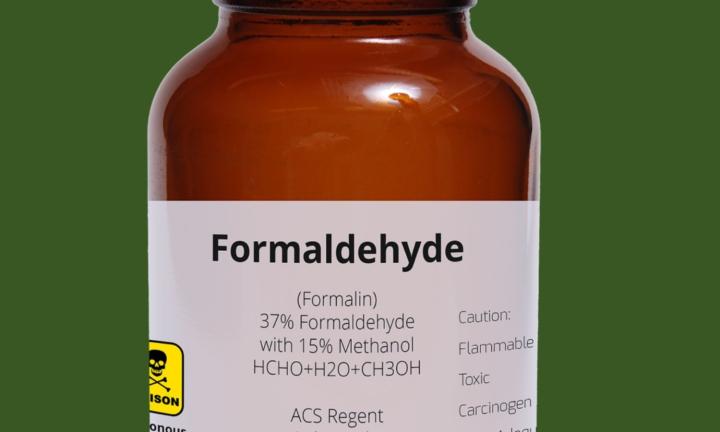
Formaldehyde is a colorless, strong-smelling chemical used in building materials and household products. It's effective as a preservative and binding agent, which is why it was widely used in insulation manufacturing.
The problem? The Centers for Disease Control (CDC) considers formaldehyde a systemic poison that can cause permanent changes to the nervous system. The Environmental Protection Agency, National Toxicology Program, and National Cancer Institute have all determined that elevated levels of formaldehyde are carcinogenic.
How Formaldehyde Affects Indoor Air Quality
Traditional formaldehyde-based insulation releases formaldehyde gas into your home through a process called off-gassing. This happens:
- During and immediately after installation (highest levels)
- Continuously at lower levels for years afterward
- More rapidly when temperatures increase
Since your attic can reach 140-150°F in North Carolina summers, any formaldehyde in your attic insulation is being baked and released into your home's air supply.
Health Symptoms Linked to Formaldehyde Exposure
Even at low levels, formaldehyde exposure can cause:
- Respiratory irritation and breathing difficulties
- Watery eyes and burning sensations in eyes, nose, and throat
- Headaches and dizziness
- Skin irritation
- Allergic reactions
- Worsening of asthma symptoms
Long-term exposure to higher levels has been linked to certain types of cancer, particularly nasopharyngeal cancer and leukemia.
The Industry Shift: Formaldehyde-Free Becomes Standard
Here's some good news: the insulation industry recognized these health concerns and made a major change. As of October 2015, every fiberglass insulation company in the United States and Canada phased out formaldehyde-based binders in lightweight residential products.
Today, approximately 90% of residential fiberglass insulation on the market is formaldehyde-free. This industry-wide shift happened because manufacturers recognized that safer alternatives were available and effective.
But here's the catch: not all formaldehyde-free insulations are created equal, and some older homes still have the old stuff. That's where product selection and understanding quality differences matters.
What Makes Climate Pro Different
Johns Manville Climate Pro is our go-to product for blown insulation projects, and there are specific reasons why we choose it over alternatives.
Bio-Based Binder Technology
Instead of formaldehyde-based chemical binders, Climate Pro uses a bio-based binder made from rapidly renewable materials. This binder:
- Holds glass fibers together just as effectively as traditional binders
- Won't off-gas harmful chemicals
- Is more environmentally friendly to produce
- Maintains performance in high-temperature environments (important for attics)
Long, Resilient Glass Fibers
Climate Pro is made from long, resilient glass fibers that provide excellent thermal resistance. These fibers:
- Create effective air pockets that slow heat transfer
- Maintain their R-value over time (won't settle as dramatically as some alternatives)
- Are non-combustible (won't burn)
- Don't absorb moisture
Sulfate-Free Formula
This might not sound exciting, but it's actually a big deal. Climate Pro is sulfate-free, which means:
- No noxious odors: Some insulations produce sulfur smells, especially when heated—Climate Pro doesn't
- No pipe corrosion: Sulfates can corrode metal pipes and wiring over time
- Better air quality: Your home won't have that "new insulation smell" that some products create
In North Carolina's humid climate where moisture can be an issue, having sulfate-free insulation is particularly valuable.
Performance That Matches Safety
Choosing safe materials is important, but they also need to actually work. Climate Pro delivers on both fronts:
Excellent Thermal Performance
Climate Pro provides the R-value you need for North Carolina homes:
- Achieves R-49 with proper installation (our Climate Zone 4 requirement)
- Maintains thermal resistance in both hot and cold conditions
- Fills gaps and hard-to-reach areas that batts can't address
- Reduces air infiltration when properly installed
Durability and Longevity
Quality insulation should last the lifetime of your home. Climate Pro:
- Won't settle significantly over time
- Resists moisture damage (doesn't absorb water like cellulose)
- Won't support mold growth or pest nesting
- Maintains its R-value for decades
Sound Dampening
As a bonus, blown fiberglass insulation like Climate Pro also reduces sound transmission. Your upstairs bedrooms will be noticeably quieter, and outdoor noise won't penetrate as easily.
Installation Advantages for Contractors and Homeowners
Beyond health and performance benefits, formaldehyde-free insulation like Climate Pro offers practical installation advantages:
Safer for Installers
Installers working with formaldehyde-free materials aren't exposed to harmful chemicals. This means:
- Less respiratory irritation during installation
- No chemical smell permeating your home during the job
- Healthier work environment for our team
Immediate Occupancy
With formaldehyde-free insulation, you don't need to air out your home after installation. There's no off-gassing period, no chemical smell, and no need to evacuate for days while it "cures." We can install your insulation, and you can immediately enjoy the benefits.
Better Coverage
Blown insulation like Climate Pro fills every nook and cranny in your attic, including around pipes, wires, and irregular spaces where batt insulation would leave gaps. This complete coverage maximizes energy efficiency and air sealing.
Comparing Insulation Options: Making the Right Choice
When selecting attic insulation for your Triad-area home, you have several options. Here's how they stack up:
Climate Pro Blown Fiberglass
Pros:
- Formaldehyde-free and safe for indoor air quality
- Excellent thermal performance
- Won't absorb moisture
- Non-combustible
- Won't settle significantly
- Pest and mold resistant
Cons:
- Slightly more expensive than some alternatives
- Requires professional installation equipment
Blown Cellulose
Pros:
- Made from recycled materials (eco-friendly)
- Good R-value per inch
- Generally less expensive
Cons:
- Absorbs and holds moisture (problematic in humid climates)
- Can settle up to 20% over time (reducing R-value)
- Combustible unless treated with fire retardants (some contain chemicals)
- Can harbor pests if moisture is present
Fiberglass Batts
Pros:
- DIY-friendly
- Inexpensive upfront
- Most now formaldehyde-free
Cons:
- Difficult to install perfectly (gaps reduce effectiveness)
- Doesn't fill irregular spaces
- Can sag or fall over time
- Labor-intensive to achieve complete coverage
For Greensboro, Winston-Salem, and High Point homes, Climate Pro blown fiberglass offers the best combination of health safety, performance, and durability.
What About Existing Insulation?
If your home was built before 2015 and has fiberglass insulation, it might contain formaldehyde-based binders. Should you replace it?
The good news: off-gassing decreases over time. If your insulation is more than 5-10 years old, formaldehyde emissions are likely minimal. However, you might consider replacement if:
- You're experiencing unexplained respiratory issues or allergies
- Your insulation is damaged, compressed, or deteriorated anyway
- You're doing a major renovation
- You want to upgrade from inadequate R-value to current standards
If you're adding insulation to an existing attic, using formaldehyde-free material like Climate Pro ensures you're not adding any new sources of indoor air pollution.
Indoor Air Quality: The Bigger Picture
Choosing formaldehyde-free insulation is part of a larger strategy for healthy indoor air quality:
- Air sealing: Prevents outdoor pollutants and allergens from entering
- Proper ventilation: Ensures fresh air exchange without energy waste
- Moisture control: Prevents mold growth and off-gassing from damp materials
- Safe materials: Using low-VOC and formaldehyde-free products throughout your home
Your home's insulation is one of its largest material components by volume. Making sure it's not releasing harmful chemicals is a significant step toward healthier indoor air.
The Bottom Line: Health and Performance Together
You shouldn't have to choose between effective insulation and safe materials. With modern formaldehyde-free products like Climate Pro, you get both: excellent thermal performance that reduces energy bills AND peace of mind that you're not exposing your family to harmful chemicals.
At 4 Seasons Insulation, we use Climate Pro because we believe your home should be comfortable, energy-efficient, and healthy. We install insulation in homes throughout the Triad area knowing that it's safe for the families who live there—including our own.
Ready to upgrade your home's insulation with safe, high-performance materials? Contact us for a free assessment. We'll evaluate your current insulation, discuss your options, and provide honest recommendations for improving your home's comfort and air quality.
Because your home should protect your health, not compromise it.