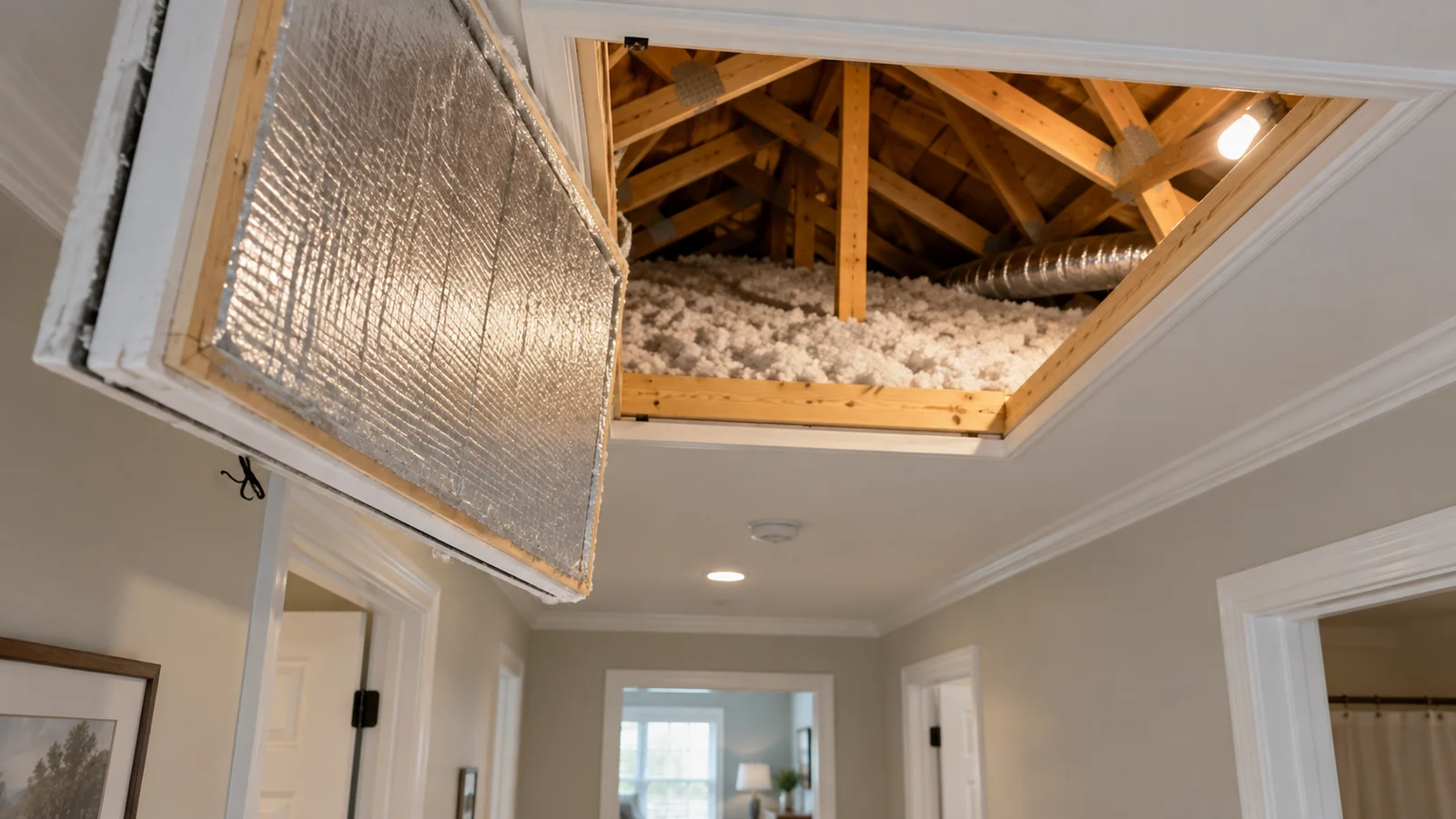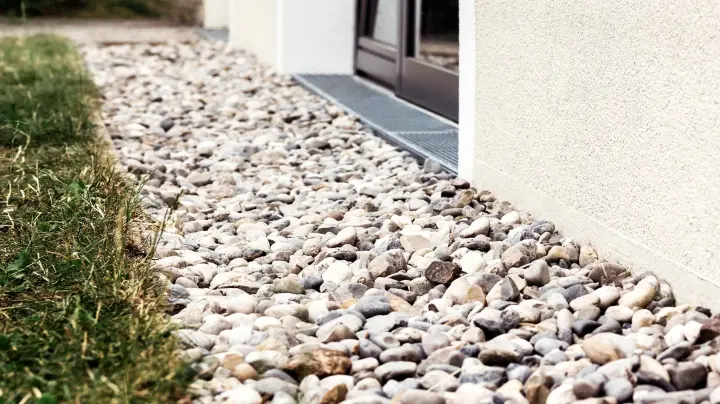
Crawl-space winter preparation starts with the condition of the space beneath your home. If floors are cold or insulation is hanging loose, adding more material may sound like an easy fix. First find out whether water, air leaks, or damaged insulation caused the problem.
For homes in Greensboro, Winston-Salem, and High Point, this is a useful November job. The inspection can separate work that belongs in an insulation estimate from a plumbing leak, drainage repair, or structural concern. That distinction helps you spend money on the cause instead of repeatedly replacing the same wet material.
Inspect from the access before entering
Open the access only if you can do so safely and look inside with a light. Note standing water, loose insulation, a torn ground cover, disconnected ducts, or evidence of pests. Take photographs from the opening. You do not have to crawl through a questionable space to give a contractor useful information.
If you see water near wiring, suspect sewage, smell gas, or notice damaged structural wood, stop and call the appropriate professional. A crawl space with limited clearance can make ordinary problems harder to work around. Keep children and pets away from an open access door.
Write down when the problem appears. Water that follows rain, a constant drip beneath a bathroom, and dampness spread across many surfaces suggest different paths for an investigation. Timing is more useful than a guess that the space simply needs to be sealed.
Deal with liquid water first
The Department of Energy's Building America guide says to treat drainage and site moisture issues before converting a vented crawl space to an unvented, insulated space. A ground liner can control moisture from soil, but it does not repair a leaking pipe or make recurring groundwater disappear.
Ask the inspector to explain the likely source and the next step. Roof runoff may need exterior work. A supply or drain leak belongs with a plumber. Persistent water beneath the house may require a designed drainage system. The useful question is where the water comes from and how the proposed work changes that path.
| What you notice | What needs investigation | Before insulation work |
|---|---|---|
| Puddles after rain | Runoff, grading, groundwater | Identify and correct the water path |
| One constantly wet area | Plumbing or another localized leak | Have the leak repaired |
| Damp or fallen batts | Moisture, attachment, coverage | Assess drying and replacement needs |
| Torn ground liner | Exposed soil and failed seams | Plan a continuous ground cover |
| Musty smell upstairs | Moisture source and air pathways | Inspect instead of masking the odor |
Choose the right insulation boundary
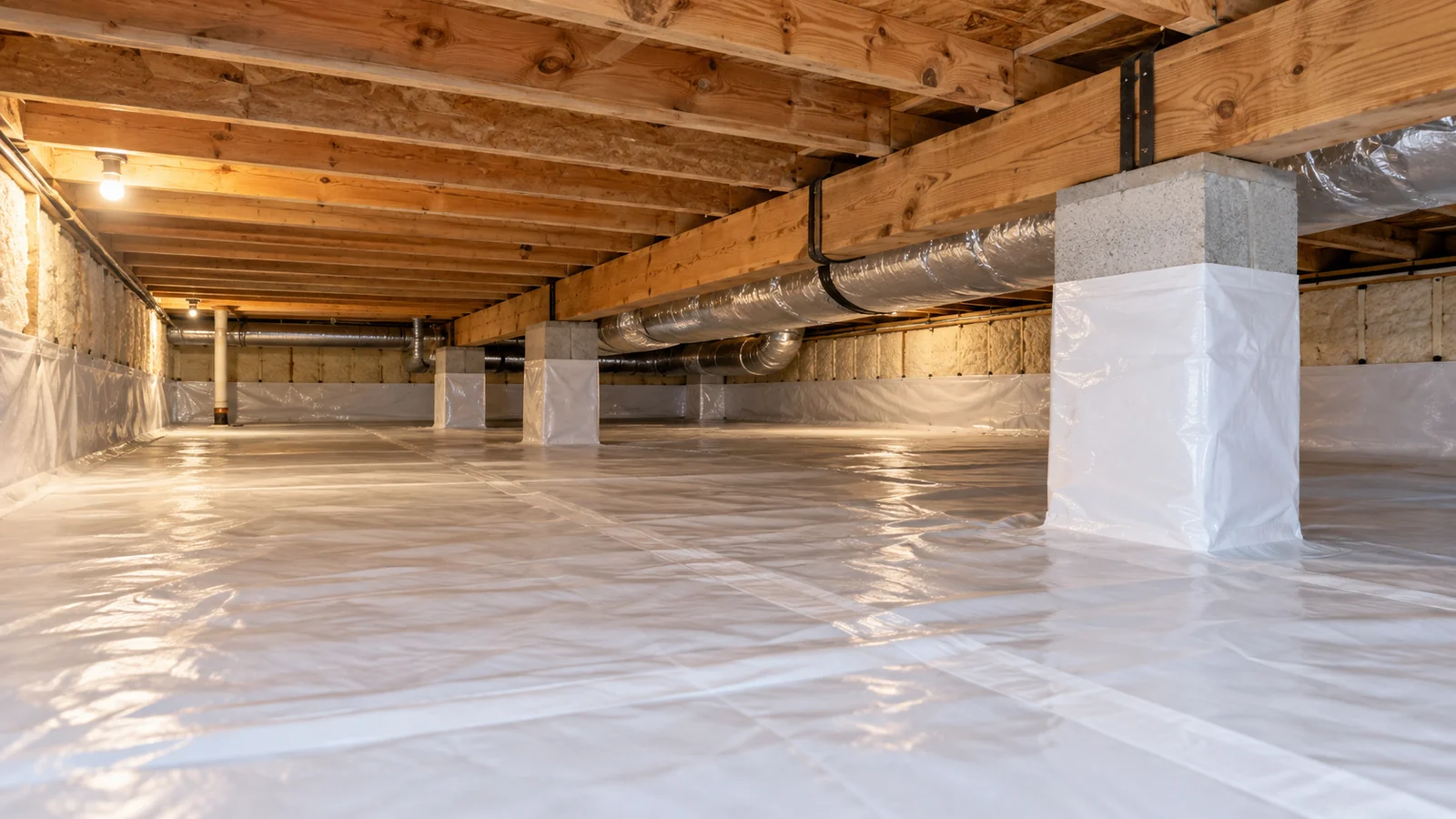
A vented crawl space and an enclosed crawl space are different assemblies. In a vented arrangement, insulation may be located beneath the floor above. A properly designed enclosed crawl space may use insulated perimeter walls and a sealed ground liner. You need to know which arrangement you have and which one the contractor proposes.
Building America's enclosed crawl-space guidance treats air sealing, perimeter insulation, ground moisture control, and conditioning as parts of one system. It also calls out access-door sealing and pest-inspection requirements. Closing the vents alone leaves several of those questions unanswered.
Before agreeing to a conversion, ask how moisture will be managed, what happens at the access door, and how the design accounts for equipment and plumbing. Local requirements and any combustion appliances need review. Keep required termite inspection areas accessible.
Understand what the estimate includes
An estimate for crawl-space insulation should name the surfaces being insulated and explain how damaged material will be handled. Ask whether removal and disposal are included, how coverage will be maintained, and which defects must be repaired first. A price without a defined scope is hard to compare.
If the recommendation is crawl-space sealing or encapsulation, ask for the liner, seam, wall, and access details in writing. Ask who is responsible for moisture-control equipment and future maintenance if the proposed system requires it. The inspection should result in a plan you can understand without crawling under the house yourself.
Basements need the same attention to moisture before insulation or finishes go in. The Building America basement guidance puts diagnosis and treatment of water problems before finishing work. Tell the inspector if the basement is already finished so concealed conditions and existing wall layers can be considered.
Use winter comfort as a reason to inspect
A cold floor is worth recording, but it is not a complete diagnosis. Note the rooms affected and whether the discomfort is constant, weather-related, or strongest when the heating system runs. Those details help distinguish a floor insulation problem from an air leak or duct issue.
Our winter energy-cost guide explains why the seasonal temperature drop makes these defects more noticeable. If the crawl space has not been checked recently, request an estimate from 4 Seasons Insulation and describe the floor, moisture, or odor problem you want resolved.
Technical sources checked October 8, 2026. Feature photo is AI-generated illustrative imagery, not a customer project.